(Words written by the subject, Andrea. Edited for brevity and clarity)
So, I have Endometriosis. Endometriosis effects the female reproductive system. It’s when the endometrial tissue (which normally grows inside of the uterus) grows outside of the uterus and attaches to other organs, commonly Fallopian tubes, bladder, and intestines. This leads to problems such as pain when urinating, bowel movements, sex, and causes infertility in an estimated 40% of sufferers. 1 in 10 women suffer with it; that’s around 175 million women worldwide.
It takes an average of 7-10 years for women to receive the diagnosis. For myself, I suffered for 11 years; being bounced around from doctor to doctor who didn’t believe my pain, being referred to psychiatrists because the pain was ‘in my head.’ It wasn’t until I was 24 years old that I finally found my diagnosis of endometriosis through surgery (the ONLY way to diagnose it).
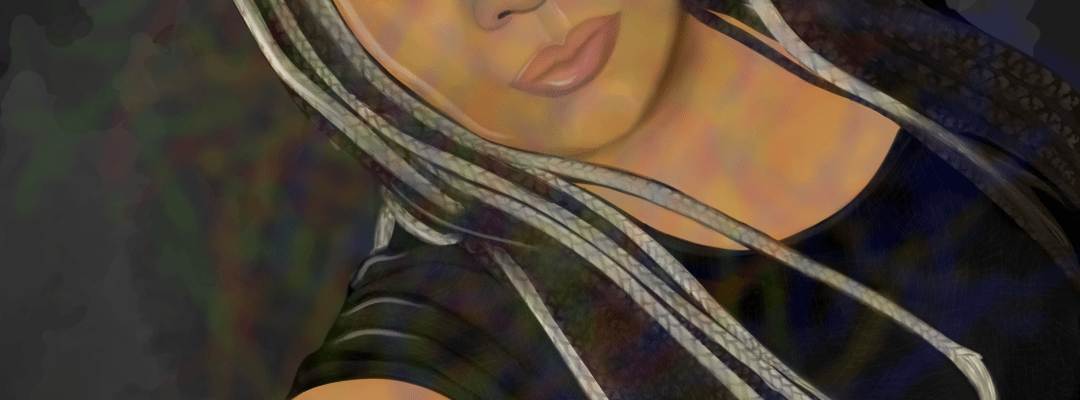
“My chronic illness, Endometriosis, does not define me…”
That’s when I finally had the validation of: ‘No, you’re not crazy. No, this is not normal. We believe you, and we will work with you to manage your pain.’ I’ve had two surgeries so far to remove the endometriosis from within my abdominal cavity. There is no cure, and it does grow back.
My chronic illness, Endometriosis, does not define me; it gives me great pride to define Endometriosis to others. I am 1 in 10, and I feel led to passionately spread awareness, to break the stigma surrounding menstruation, and to end the silence on women’s pain because debilitating period pain is not ‘normal,’ nor is it ‘just a part of being a woman.’ When we normalize women’s pain, we encourage the ability of trained physicians to continue to ignore it; leading to an unacceptable delay in diagnosis. Women with endometriosis suffer with symptoms for an average of 7-10 years before receiving a diagnosis. This is why I feel it is vital for me to speak out, to urge other women to trust their bodies, to advocate for their healthcare, to not lose hope, and most importantly to let them know they are not alone.
To learn more about endometriosis, visit the Endometriosis Foundation of America.

 JARLISA SHUNTE